Discover expert skincare advice, in-depth ingredient guides, and educational content to help you achieve your healthiest, most radiant skin. Our dermatologist-approved resources will transform the way you think about skincare.
Understanding your skin is the first step to achieving lasting results. At SkinCeuticals, we believe that informed consumers make better choices, which is why we've created this comprehensive education center. Whether you're new to skincare or a seasoned enthusiast, you'll find valuable insights to help you optimize your routine.
Our educational content is developed in collaboration with board-certified dermatologists, skincare researchers, and industry experts. Every article, guide, and tip is backed by scientific research and clinical evidence, ensuring you receive accurate, trustworthy information.
Take your time exploring the topics below, and don't hesitate to reach out to our skincare experts if you have questions. We're here to support you on your journey to healthier skin.
Your skin is the largest organ of your body, serving as a protective barrier against environmental aggressors, regulating body temperature, and playing a crucial role in your overall health. Understanding how your skin works is essential for developing an effective skincare routine.
The skin consists of three main layers: the epidermis (outer layer), the dermis (middle layer), and the hypodermis (deepest layer). Each layer has unique functions and requires different types of care.
The epidermis is responsible for your skin's appearance and serves as the primary barrier. It contains melanocytes that produce melanin, the pigment that gives skin its color and provides natural sun protection.
The dermis contains collagen and elastin fibers that give skin its strength and elasticity. As we age, these fibers break down, leading to wrinkles and sagging. This layer also contains blood vessels, nerve endings, and hair follicles.
Identifying your skin type is crucial for selecting the right products and building an effective routine. Your skin type is largely determined by genetics, but can be influenced by factors like climate, hormones, diet, and lifestyle.
Normal skin is well-balanced, neither too oily nor too dry. It has a smooth texture, small pores, and few imperfections. If you have normal skin, you're fortunate to have a balanced complexion that tolerates most products well.
Focus on maintenance with a gentle cleanser, hydrating moisturizer, and daily sunscreen. Antioxidant serums can help preserve your skin's healthy state and prevent future damage.
Oily skin produces excess sebum, resulting in a shiny appearance, enlarged pores, and a tendency toward breakouts. While oily skin can be challenging, it also ages more slowly due to the natural lubrication.
Use lightweight, non-comedogenic products that won't clog pores. Look for ingredients like salicylic acid and niacinamide to control oil production and minimize pore appearance.
Dry skin lacks adequate natural oils, leading to tightness, flakiness, and a dull complexion. It may feel uncomfortable and show fine lines more prominently. Environmental factors and aging can exacerbate dryness.
Focus on hydrating and barrier-repairing ingredients like hyaluronic acid, ceramides, and rich moisturizers. Avoid harsh cleansers that strip natural oils.
Combination skin features both oily and dry areas, typically with an oily T-zone (forehead, nose, chin) and dry cheeks. This skin type requires a balanced approach that addresses multiple concerns.
Consider using different products on different areas of your face, or look for balanced formulations that hydrate without adding excess oil.
Sensitive skin reacts easily to products, environmental factors, and stress, often resulting in redness, itching, or irritation. It requires gentle care and careful product selection.
Choose fragrance-free, hypoallergenic products with minimal ingredients. Patch test new products before full application.
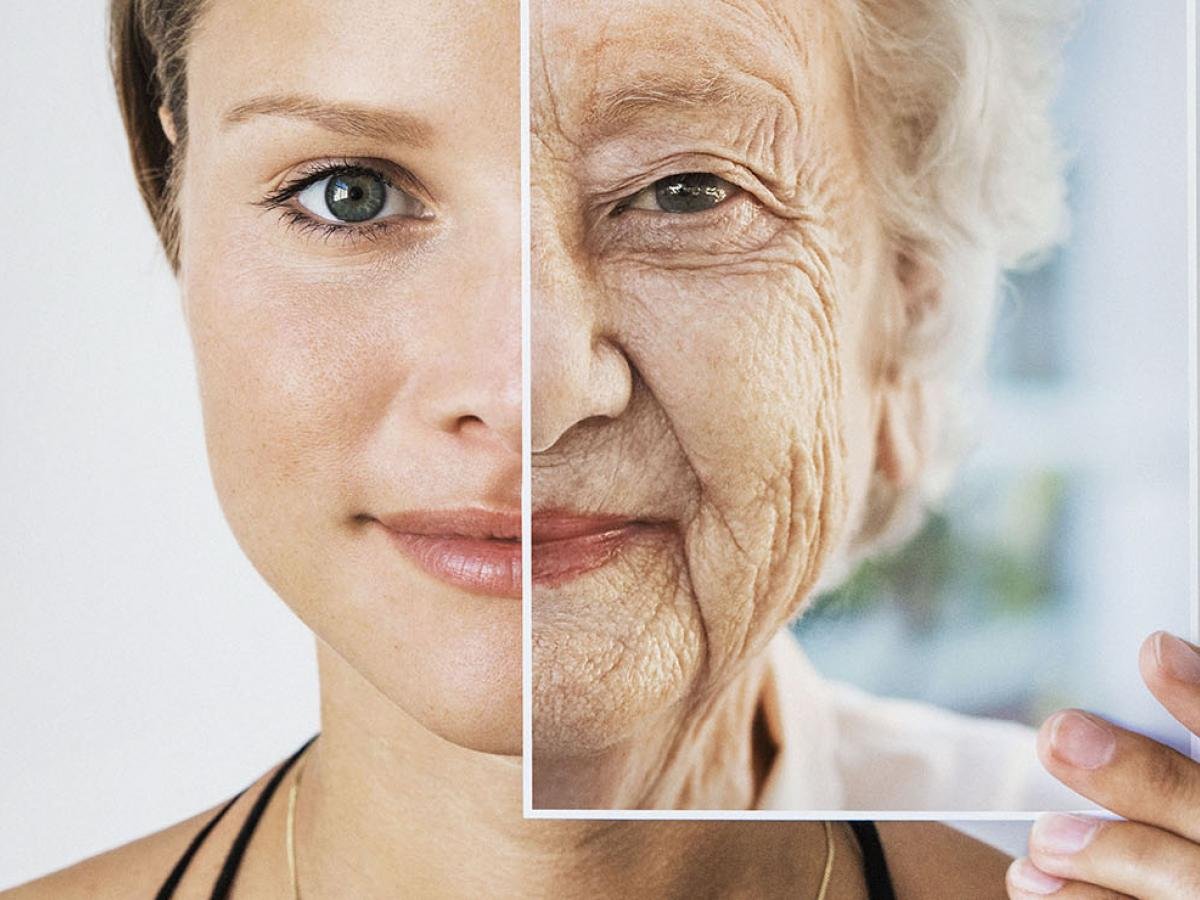
As we age, skin produces less collagen and elastin, leading to wrinkles, sagging, and loss of firmness. Age spots and uneven texture may also develop due to accumulated sun damage.
Incorporate anti-aging ingredients like retinol, vitamin C, and peptides. Focus on hydration and sun protection to prevent further damage.
Understanding skincare ingredients empowers you to make informed choices about the products you use. Here's what you need to know about the most effective active ingredients in modern skincare.
Vitamin C (L-Ascorbic Acid): A powerful antioxidant that brightens skin, stimulates collagen production, and protects against environmental damage. Most effective at concentrations of 10-20% and pH below 3.5.
Retinol (Vitamin A): The gold standard for anti-aging, retinol accelerates cell turnover, reduces fine lines, and improves skin texture. Start with low concentrations and gradually increase to avoid irritation.
Hyaluronic Acid: A humectant that can hold up to 1000 times its weight in water, providing intense hydration and plumping effect. Works best when applied to damp skin.
Antioxidants are your skin's first line of defense against environmental damage. They neutralize free radicals—unstable molecules generated by UV exposure, pollution, and other environmental stressors—before they can damage skin cells and accelerate aging.
Key antioxidants include:
Retinoids are vitamin A derivatives that have been extensively studied and proven to improve multiple signs of aging. They work by binding to specific receptors in skin cells, influencing gene expression and accelerating cellular processes.
Benefits of retinoids include:
When starting retinoids, begin with a low concentration (0.25-0.3%) and use only 2-3 times per week, gradually increasing frequency as your skin adjusts. Always use sunscreen when using retinoids, as they increase sun sensitivity.
Hydroxy acids are chemical exfoliants that help remove dead skin cells and improve skin texture. They come in two main types:
Proper hydration is essential for healthy, youthful-looking skin. Different types of hydrating ingredients work in different ways:
A well-designed skincare routine addresses your specific concerns while supporting overall skin health. The order in which you apply products matters—applying them in the right sequence maximizes their effectiveness.
Morning Routine:
1. Cleanser - Remove overnight sebum and prepare skin
2. Antioxidant Serum - Protect against daily environmental damage
3. Eye Cream - Target delicate under-eye area
4. Moisturizer - Hydrate and seal in actives
5. Sunscreen - Essential protection (minimum SPF 30)
Evening Routine:
1. Cleanser/Double Cleanse - Remove makeup and daily buildup
2. Treatment Serum - Apply actives like retinol or acids
3. Eye Cream - Nourish while you sleep
4. Moisturizer/Night Cream - Support overnight repair
Even with the best products, certain habits can undermine your skincare efforts. Here are the most common mistakes and how to correct them:
UV exposure is responsible for up to 90% of visible skin aging. Sunscreen should be worn daily, regardless of weather or season. Even on cloudy days, up to 80% of UV rays penetrate the clouds. Apply a broad-spectrum SPF 30+ sunscreen as the last step of your morning routine, and reapply every two hours when outdoors.
While exfoliation is important for removing dead skin cells and improving texture, too much can damage your skin barrier, leading to irritation, sensitivity, and even breakouts. Most people should exfoliate no more than 2-3 times per week. If your skin feels tight, looks red, or burns when applying products, you may be over-exfoliating.
Layering multiple strong actives (like retinol, vitamin C, and acids) in the same routine can irritate skin and reduce effectiveness. Introduce new actives one at a time, and consider alternating them—for example, use vitamin C in the morning and retinol at night.
Skincare is a marathon, not a sprint. Most products take 4-12 weeks to show noticeable results, as that's how long it takes for skin cells to turn over. Don't give up on a product too quickly, but also don't continue using something that causes persistent irritation.
The neck and hands show signs of aging just as much as the face, but are often neglected. Extend your skincare routine to these areas, especially sunscreen and anti-aging treatments.
Applying products from thinnest to thickest consistency ensures optimal absorption. Water-based products should be applied before oil-based ones, and actives should be applied to clean skin before moisturizer.
Sun protection is the single most important thing you can do for your skin. UV radiation causes premature aging, hyperpigmentation, and increases the risk of skin cancer. Understanding how to protect yourself is crucial.
UVA vs UVB: UVB rays cause sunburn and affect the skin's surface, while UVA rays penetrate deeper and cause long-term damage like wrinkles and age spots. Both contribute to skin cancer. Choose "broad spectrum" sunscreens that protect against both.
SPF Explained: SPF measures protection against UVB rays. SPF 30 blocks about 97% of UVB rays, while SPF 50 blocks about 98%. No sunscreen blocks 100%. The key is applying enough (about a quarter-teaspoon for the face) and reapplying regularly.
Chemical vs. Physical: Chemical sunscreens absorb UV rays and convert them to heat, while physical (mineral) sunscreens contain zinc oxide or titanium dioxide that sit on the skin's surface and reflect UV rays. Both are effective when properly applied.
Your skin's needs change as you age. Adapting your routine to address age-specific concerns helps you maintain healthy, beautiful skin at every stage of life.
Your 20s are about establishing good habits and preventing future damage. Focus on sun protection, basic hydration, and antioxidants. This is the time to start a consistent routine that you'll build upon in later years. If you're prone to breakouts, address them now to prevent scarring. Consider starting a gentle retinol to encourage cell turnover and build collagen reserves.
In your 30s, collagen production begins to slow, and you may notice the first fine lines. This is the time to intensify your anti-aging efforts. Upgrade to stronger retinoids, add targeted serums for specific concerns, and ensure you're getting adequate hydration. Eye cream becomes more important as crow's feet may start to appear.
During your 40s, hormonal changes can affect skin, leading to increased dryness, loss of elasticity, and more visible wrinkles. Add richer moisturizers, incorporate peptides to support collagen, and consider professional treatments like chemical peels or microneedling. Focus on brightening products if dark spots have appeared.
Post-menopausal skin needs extra nourishment. Estrogen decline leads to thinner, drier skin with reduced elasticity. Use rich, nourishing products and focus on barrier repair. Gentle exfoliation helps improve texture without irritation. Professional treatments can address more significant concerns.
Skincare isn't just about products—your lifestyle choices play a significant role in your skin's health and appearance.
What you eat shows on your skin. A diet rich in antioxidants (fruits, vegetables), omega-3 fatty acids (fish, nuts), and adequate protein supports healthy skin. Limit sugar and processed foods, which can contribute to inflammation and accelerate aging. Stay hydrated by drinking plenty of water throughout the day.
During sleep, your body repairs and regenerates skin cells. Chronic sleep deprivation can lead to dull skin, dark circles, and accelerated aging. Aim for 7-9 hours of quality sleep per night. Sleeping on a silk pillowcase can help prevent creasing and reduce friction on hair.
Chronic stress triggers cortisol release, which can break down collagen, increase oil production, and worsen conditions like acne and eczema. Practice stress management through exercise, meditation, or hobbies you enjoy.
Regular exercise increases blood flow, delivering oxygen and nutrients to skin cells. It also helps reduce stress and promotes better sleep. Just remember to cleanse after sweating to prevent breakouts.
Smoking dramatically accelerates skin aging by reducing blood flow and breaking down collagen. Excessive alcohol dehydrates skin and causes inflammation. Reducing or eliminating these habits will have visible benefits for your skin.
While at-home skincare is essential, professional treatments can enhance and accelerate results. Working with a dermatologist or licensed aesthetician allows you to address concerns that topical products alone can't solve.
Chemical Peels: Professional-strength peels remove damaged outer layers of skin, revealing fresher, more even-toned skin beneath. They range from superficial to deep, depending on your concerns.
Microneedling: Creates controlled micro-injuries that trigger collagen production. Excellent for scars, wrinkles, and overall skin texture improvement.
Laser Treatments: Various laser technologies can address everything from pigmentation to wrinkles to broken blood vessels with precision.
Injectable Treatments: Botox relaxes muscles to smooth expression lines, while fillers restore volume lost with age.
Your skin's needs change with the seasons. Adjusting your routine accordingly helps maintain optimal skin health year-round.
Cold temperatures, low humidity, and indoor heating can strip moisture from skin. Switch to richer moisturizers, use a humidifier indoors, and don't forget sunscreen—UV rays are still damaging in winter, especially when reflected off snow. Consider adding facial oils or occlusive balms to lock in hydration.
As temperatures rise and humidity increases, you may be able to transition to lighter moisturizers. Spring is a good time to address any damage accumulated over winter with brightening treatments. Start ramping up sun protection as you spend more time outdoors.
Heat and humidity can lead to increased oil production and breakouts. Use lightweight, non-comedogenic products and mattifying sunscreen. Increase sunscreen application, especially if swimming or sweating. Antioxidants are particularly important in summer to combat increased free radical exposure.
Transition months are ideal for addressing summer sun damage with retinoids and exfoliating acids. Begin preparing for drier months by gradually introducing richer moisturizers. Consider professional treatments like peels, which are best done when sun exposure is reduced.
There's a lot of misinformation about skincare. Let's separate fact from fiction.
Reality: "Natural" doesn't equal safe or effective. Many effective skincare ingredients are synthetic versions of natural compounds, optimized for stability and efficacy. Poison ivy is natural, but you wouldn't put it on your face. What matters is whether ingredients have been tested and proven safe and effective.
Reality: UVA rays penetrate windows, so if you're near windows during the day, you're getting UV exposure. Additionally, blue light from screens may contribute to skin damage, though more research is needed. If in doubt, wear sunscreen.
Reality: All skin types need hydration. When oily skin is dehydrated, it can actually produce more oil to compensate. Use a lightweight, oil-free moisturizer to maintain balance.
Reality: SPF 30 blocks about 97% of UVB rays, while SPF 50 blocks about 98%. The difference is minimal. What matters more is applying enough product and reapplying regularly.
Reality: Price doesn't determine effectiveness. Some affordable products contain the same active ingredients as luxury brands. What matters is formulation, concentration of actives, and whether the product addresses your specific concerns.
Ready to put your knowledge into action? Explore our resources to find the perfect products for your skin.
Still have questions? Our team of skincare experts is here to help. Whether you need help identifying your skin type, selecting the right products, or building a customized routine, we're just a call or click away.
You can also connect with us on social media for daily skincare tips, product recommendations, and inspiration.
